Signed in as:
filler@godaddy.com

Writing your own obituary is less about documenting the end of your life and more about defining the story you want remembered.
It’s a chance to capture your voice, your quirks, your relationships, and the meaning you created.
This guide walks you through the key elements to consider as you shape that story.

Begin with the simple facts that anchor your story. These are the details people look for first:
Once the foundation is set, shift toward what truly defined you. Think beyond job titles or achievements. Ask yourself:
This is where your obituary becomes personal. These details help others see the shape of your life from the inside.
The small things often say the most. Consider including:
These touches make the obituary sound like you and not a template.
An obituary isn’t just about who you were; it’s about how you made others feel. Take time to reflect on:
This is the emotional core of your story.
Decide how you want the obituary to feel. The tone can be:
It can be multiple of these.There’s no right answer: only what feels true to you.
Many people choose to leave a final thought or message. It might be a piece of advice, a reflection, a thank‑you, or a simple goodbye.
This is your last word in your own voice.
If you're unsure where to get started:
•Write three sentences about yourself this week. Not perfect, just real.
•List five things you'd want included that nobody would think to add.
--------------------------
DO
• Be specific. Be honest. Use your actual voice.
• Let it be funny if you're funny. Let it be tender if you're tender. Let it be you.
• Allow yourself the flexibility to use other resources.
DON'T
• Write it like a press release.
• List every job you ever had.
• Leave out the parts that made people love you.


The Reality of Mortality: Why We Aren’t Talking About Death, by Stephanie Sarazin, explores why most people avoid discussing end‑of‑life wishes and argues that normalizing honest conversations about death can empower individuals to make clearer, values‑based decisions about how they want to live and die.
The Delicate Art of Obituary Writing, produced by Connecticut Public Radio, shares how writers and editors approach the challenge of distilling a person’s life into a few meaningful paragraphs, highlighting the craft, ethics, and emotional nuance involved in creating an obituary.
I See You’ve Called in Dead by John Kenney is a darkly funny, sharply observant novel about a man whose midlife unraveling forces him to confront the absurdity, grief, and unexpected tenderness woven through everyday life.
Epilogg, created by Mary McGreevy, uncovers life lessons, humor, and human truths found in obituaries, using them as a source of practical wisdom about how to live well.
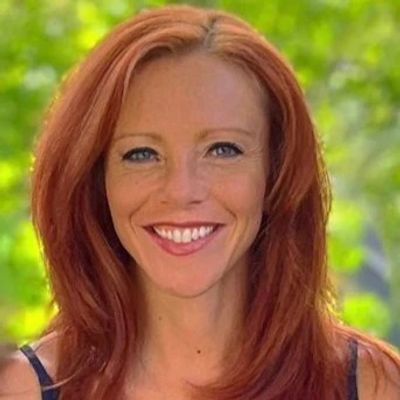
Angela Christensen joined The Nokbox in 2023 and now serves as an instructor with Nokbox Academy, where she teaches classes designed to help people feel prepared, organized, and confident about the future. Angela loves turning big, emotional topics into simple, manageable steps and creating a warm, supportive learning environment.
She has a genuine interest in end-of-life planning — and is a proud overachiever in the category, having completed her own Nokbox and planned her funeral details in advance (yes, including the slideshow and food). This first-hand experience fuels her passion for helping others feel calm, capable, and cared for through the process.
Want to learn more, contact Angela.